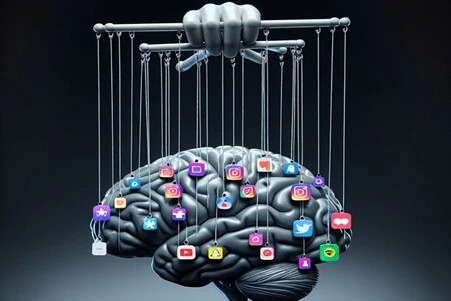
Social media has quietly become an integral part of our daily lives, influencing how we learn, interact, and even perceive the world around us. Whether it is scrolling through TikTok before falling asleep, checking Instagram during a short work break, or browsing Facebook updates while traveling, we are constantly consuming content. What many of us fail to realize is that everything we see has passed through complex systems known as algorithms. These algorithms decide what appears on our screens the moment we open an app or turn on our computers. While we often believe we are in control of what we consume, the reality is quite different algorithms are subtly shaping our choices, preferences, and attention.
Understanding the Modern Digital World
Over the past decade, the digital environment has transformed dramatically. Instead of actively searching for information, we are now flooded with recommendations every day. Social media platforms track our likes, shares, comments, and even how long we pause on a post. This data is used as feedback to analyse our behaviour patterns. As a result, content is tailored in a way that gradually influences our thoughts and reactions. Over time, we notice recurring themes and perspectives in what we see online. This makes it essential to understand how algorithms work, as they play a powerful role in silently shaping our behaviour.
Why This Topic Matters Today
Social media is no longer just a space for entertainment or relaxation. It now significantly influences politics, mental health, business trends, lifestyles, and public discourse. Algorithms determine which opinions gain visibility, which videos go viral, and which information spreads rapidly. This means that the digital world we spend hours in every day is governed by invisible systems that continuously influence us without our conscious awareness. Understanding this reality is more important now than ever.
How Algorithms Control Our Thoughts
Algorithms influence us in subtle yet powerful ways. They create online environments where we are mostly exposed to ideas and opinions like our own. This often leads to the formation of echo chambers, where alternative perspectives are filtered out. Emotionally charged content is especially favoured, as it generates higher engagement. Over time, such content can shape public opinion, influence movements, and even affect mental well-being. Algorithms personalize our online experiences so deeply that they impact what we buy, what we learn, and even the goals we pursue. Because this influence happens gradually and quietly, it becomes even more effective.
How to Take Back Control
Despite their power, algorithms do not completely control us. We can take practical steps to regain control over our digital experiences. Being selective about who we follow, engaging with content that adds value, and thinking before reacting or sharing posts can help create a healthier online environment. Limiting screen time and becoming aware of how algorithms function also helps us understand an important truth: what we see online is not the complete picture of the world. It is only a curated version designed to keep us engaged.
Conclusion
Social media algorithms undoubtedly influence our thoughts and behaviours, but they are not inherently harmful. When understood and used consciously, they can serve as useful tools. Awareness empowers us to make informed choices rather than being passively driven by digital systems. By taking control of our online habits, we can protect our mental well-being and support personal growth instead of allowing our minds to be hijacked.