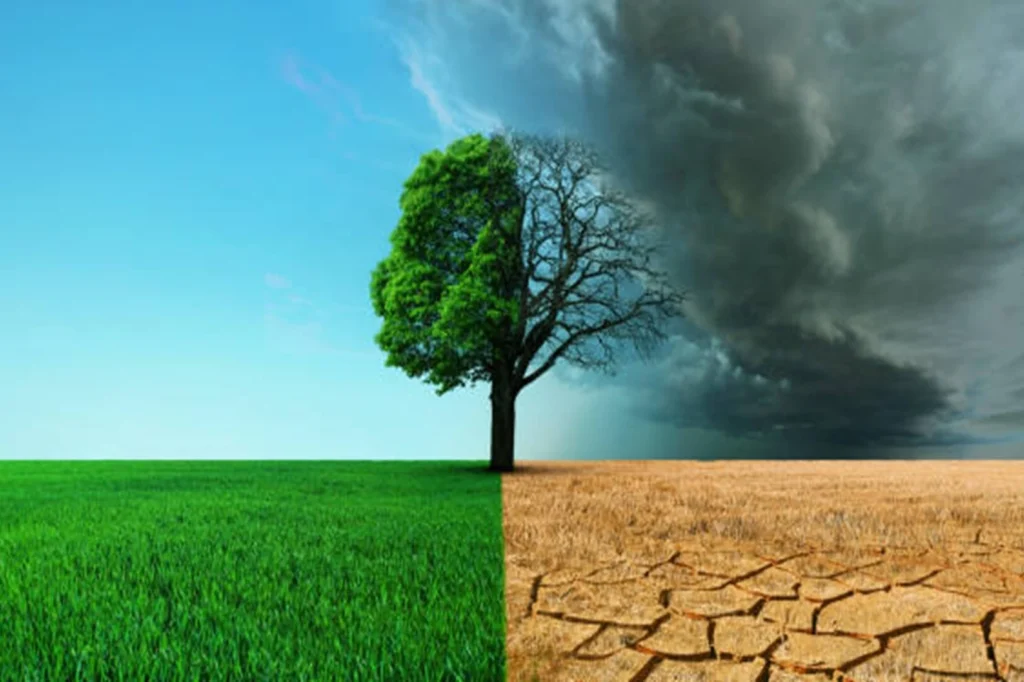
Pakistan is among the most climate-vulnerable countries in the world. The increasing frequency, intensity, and unpredictability of climate-related events such as prolonged heatwaves, erratic monsoon cycles, glacial lake outburst floods (GLOFs), and urban flooding have made climate disasters more frequent and destructive. Under SDG 13: Climate Action, countries are encouraged to strengthen climate resilience and reduce risks associated with environmental hazards. In Pakistan, sudden environmental shocks disrupt human life, damage infrastructure, and pose serious threats to food security, placing immense pressure on communities and governance systems. In such a high-risk environment, the absence of scientifically advanced early warning mechanisms continues to put millions of lives at risk every year.
Early Warning Systems (EWS) play a crucial role in disaster preparedness by identifying risks before disasters strike. Timely alerts significantly reduce the loss of life and minimize damage to infrastructure. These systems also contribute to public health protection by preventing water contamination, warning communities of upcoming heatwaves, and reducing the spread of post-flood diseases. As a result, early warning systems have become essential safety drivers, not only for disaster risk reduction but also for strengthening community resilience and improving national disaster management capacity.
AI-powered Early Warning Systems have emerged globally as one of the most credible and effective life-saving solutions for managing environmental hazards. Countries such as Bangladesh, India, Japan, and Indonesia have already operationalized AI-driven EWS frameworks. These systems rely on machine learning models that analyze real-time data to predict floods, extreme rainfall, and heatwave intensity. Satellite imagery and remote sensing technologies enable continuous monitoring of land temperature, cloud movement, glaciers, river flows, and soil moisture, while cloud-based platforms allow rapid dissemination of alerts to authorities and the public. Despite these global advancements, Pakistan continues to rely largely on manual and fragmented systems, with limited inter-agency coordination in many regions. In the context of rapidly changing climate patterns, the adoption of AI-driven early warning systems is no longer optional but a critical necessity.
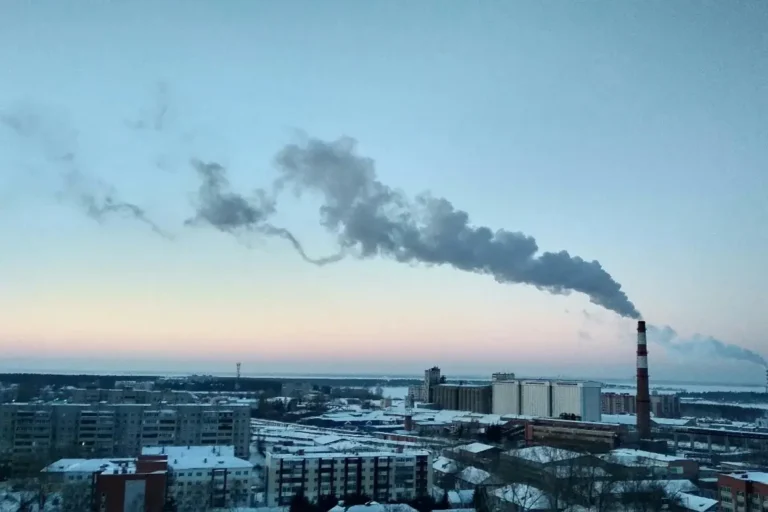
Over the past decade, Pakistan has experienced some of the world’s most severe climate disasters, including devastating heatwaves in Karachi and the catastrophic floods of 2022, which caused economic losses exceeding USD 30 billion. Urban areas face worsening smog, flash floods, and infrastructure stress, while rural communities repeatedly lose crops and livestock due to extreme weather. Entire regions periodically become inaccessible, disrupting livelihoods and basic services. These repeated shocks deepen poverty, weaken local economies, and overwhelm disaster response systems, clearly highlighting the urgent need for predictive, technology-driven climate resilience mechanisms. Conventional forecasting methods are no longer sufficient, as climate systems have become increasingly complex and interconnected, requiring high-accuracy forecasting supported by AI, real-time data analytics, and digital mapping technologies. However, awareness and understanding of advanced early warning systems remain limited across institutions and communities.
By mitigating the impacts of climate-induced hazards, AI-based Early Warning Systems directly support multiple Sustainable Development Goals, particularly SDG 3 (Good Health and Well-being), SDG 6 (Clean Water and Sanitation), SDG 11 (Sustainable Cities and Communities), and SDG 13 (Climate Action). Despite their potential, existing early warning systems face several challenges, including limited prediction accuracy in mountainous and remote regions, technical complexity, financial constraints, weak institutional coordination, and low public awareness. Communication gaps in rural and isolated areas, poor mobile network coverage, limited internet access, and language barriers further restrict the timely and effective delivery of warnings, often leading to delayed responses and avoidable losses.
Rapid climate change continues to intensify floods, heatwaves, and extreme weather events, directly challenging Pakistan’s progress toward SDG 13. A reliable and integrated AI-powered early warning framework combining remote sensing, machine learning, and cloud-based platforms offers a life-saving solution capable of transforming Pakistan’s climate resilience. The integration of AI into Pakistan’s early warning systems is now a national priority. Through strengthened public awareness, coordinated government action, and institutional innovation, Pakistan can move toward a safer, smarter, and more resilient future in the face of escalating climate risks.