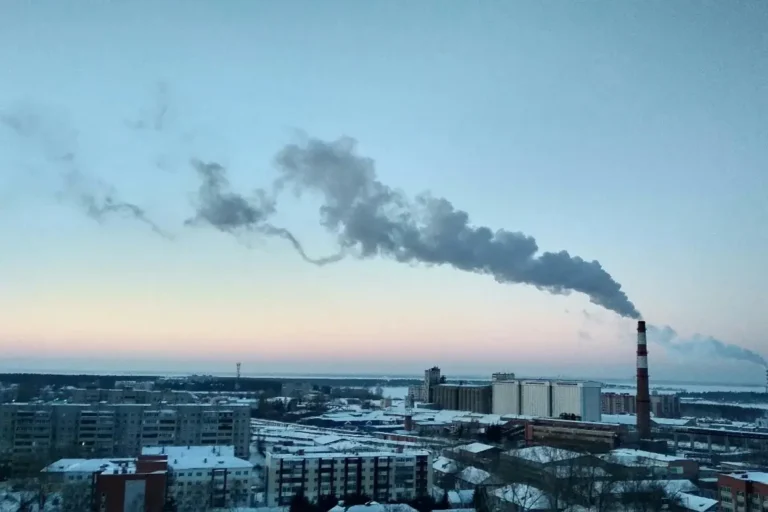
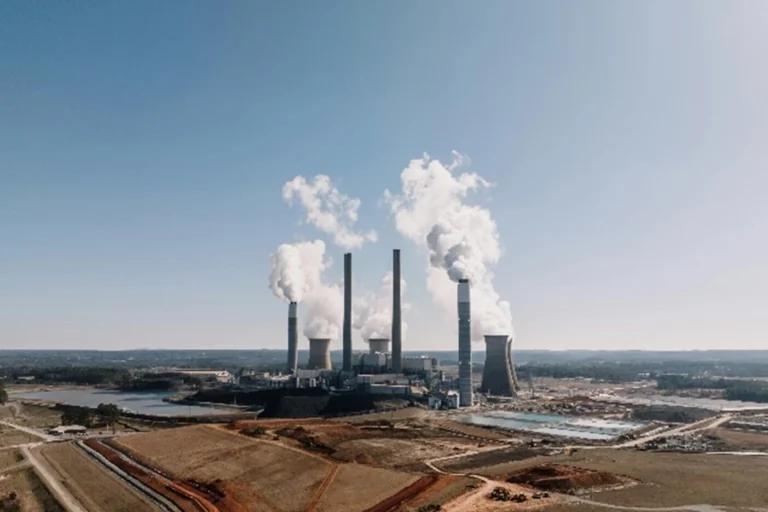
Climate change refers to long-term shifts in temperatures and weather patterns across regions. Today, it stands as one of the most serious global challenges, affecting economies, ecosystems, and communities. Pakistan is among the countries most vulnerable to climate change and currently ranks eighth on the German Watch Global Climate Risk Index. The country faces growing threats to its environment, water resources, agriculture, and overall sustainability.
This blog focuses specifically on how climate change is influencing tourist behaviour in Pakistan. The country is rich in natural beauty, towering mountain ranges, lush green valleys, and expansive glaciers, which attract millions of local and international tourists each year. According to a 2022 report, tourism contributed 5.9% to Pakistan’s GDP and supported approximately 4.2 million jobs. However, climate-induced changes, especially in northern areas, are causing severe disruptions. Rapid glacial melting, extreme monsoon rains, flash floods, and frequent landslides are damaging infrastructure, endangering lives, and altering how and when tourists travel.
Tourism’s Contribution to Pakistan’s Economy
Tourism plays a significant role in economic growth. Between 2019 and 2022, tourism’s share of GDP increased from 2.9% to 5.9%, reflecting its growing importance. The sector is expected to contribute nearly one trillion rupees to the economy by 2025. In 2022, tourism generated 3.34 million jobs about 5.1% of total employment with expectations of reaching 4 million jobs by 2030. Revenue from local and international tourists is also increasing, projected to reach $4 billion by 2025 and $5.53 billion by 2029. International tourism remains a key source of foreign exchange and economic resilience.
Key Losses and the Impact of Climate Change
Over the last four years, climate change has significantly reshaped tourist patterns in Pakistan. Extreme weather events have caused widespread destruction, especially in the northern regions, which are the heart of Pakistan’s tourism industry. The 2022 floods devastated vast areas, claiming around 300 lives and displacing 300,000 people. Infrastructure such as roads, bridges, communication networks, and local housing suffered immense damage. In 2025, another sudden flood, widely reported in the media, severely affected areas like Swat and Upper Dir. The intensity of the floods trapped tourists for days; in one tragic incident, a tourist’s body was recovered several days later. Such events create fear, discourage travel, and push tourists to choose alternative destinations that feel safer.
Financially, the 2022 and 2025 disasters resulted in losses of $30 billion, with a massive portion concentrated in northern Pakistan. Rising temperatures are also accelerating glacial melt, leading to the formation of glacial lakes. Out of these, 33 have been identified as highly hazardous. Sudden outbursts from these lakes release millions of cubic feet of water, destroying homes, communities, and tourist routes, and making travel unpredictable.
Conclusion and Suggestions
Climate change poses a major challenge to Pakistan’s tourism sector. While tourism has the potential to create jobs, generate revenue, and support sustainable development, extreme weather events over the past few years have reshaped tourist behaviour. Loss of lives, disruptions in accessibility, and uncertain weather patterns reduce tourists’ confidence in visiting northern regions.
To move forward, Pakistan must strengthen its climate resilience. Increasing forest cover can help reduce the impact of extreme weather. A comprehensive tourist safety system, particularly for international visitors, should be developed to ensure secure travel experiences. A digital platform or mobile app could provide real-time information on weather conditions, road status, hotel availability, and emergency warnings. Additionally, improving communication networks and early warning systems in northern Pakistan is essential. An initiative-taking approach to climate management can safeguard both human lives and the tourism industry, enabling Pakistan to fully harness the potential of its natural beauty.