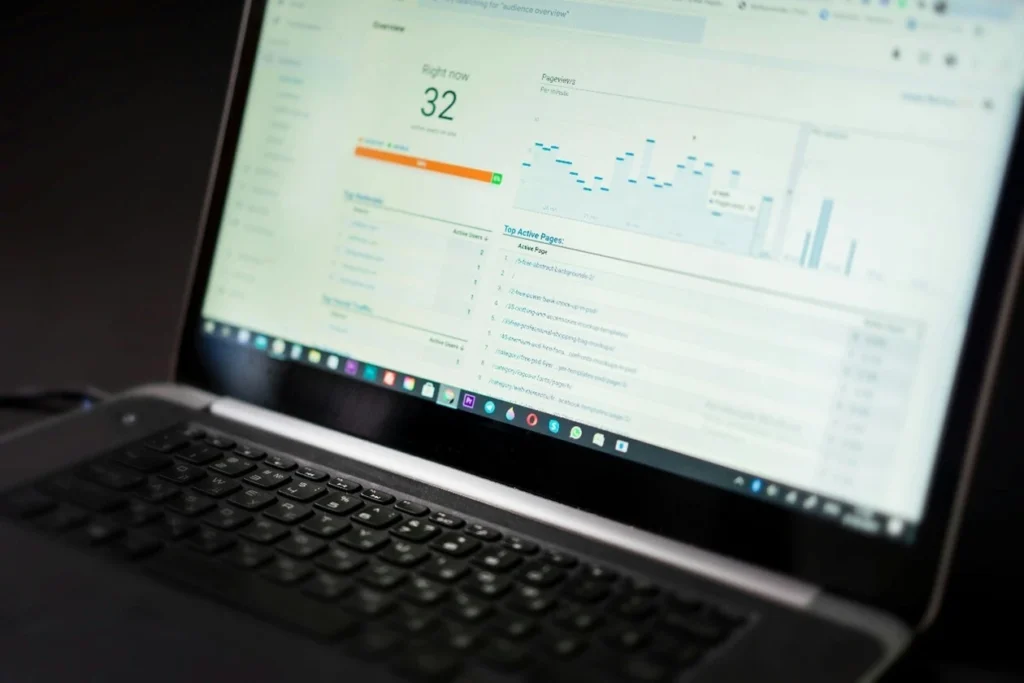
Data-Driven Business Environment
In today’s digital world, data has become one of the most valuable assets for businesses. It is estimated that 221 zettabytes of data will be produced by 2026 (Statista). Every online interaction such as website visits, social media activity, online shopping, and customer feedback generates valuable information. Organizations use this data to understand customer behavior, improve performance, reduce uncertainty, and make better decisions. Research shows that more than 60% of executives believe that data analytics improves the quality of decision-making (PwC).
As a result, businesses have become heavily dependent on dashboards, reports, and analytics tools to shape their strategies. There is a common belief that more data automatically leads to better understanding and smarter decisions. However, the reality is often different. Research indicates that nearly 60–73% of business data remains unused and is never properly analyzed (Forrester). This creates an important question: if companies have access to so much information, why are they still making poor decisions?
More Data Doesn’t Ensure Better Decisions
Although data is meant to reduce risk, it often creates new challenges. Many organizations assume that collecting more information will naturally lead to better outcomes. However, Gartner reports that analytical insights produce measurable business results only about 20% of the time. In practice, decision-makers are often overwhelmed by excessive reports, dashboards, and performance indicators that are difficult to interpret. Surveys show that managers spend nearly 30% of their time searching for data rather than analyzing it (Domo). They are surrounded by numbers, charts, and percentages every day, yet they still struggle to decide what action should be taken.
Instead of creating clarity, too much data can lead to confusion and uncertainty. Many companies invest heavily in advanced data tools but fail to turn insights into practical action. As a result, they often rely on assumptions, past experiences, or intuition rather than using data effectively. This leads to decisions that may not align with customer needs or changing market conditions.
The Problem of Information Overload
One of the biggest reasons behind poor data-driven decisions is information overload. Human beings are not naturally designed to process large amounts of information at once. Psychological studies, such as Miller’s Law, suggest that the human brain can effectively handle only 7±2 pieces of information at a time. When decision-makers are exposed to too many metrics, they often struggle to identify what truly matters. Technical experts may understand complex analytics systems, but business leaders are usually more focused on goals, risks, and outcomes. This difference in perspective creates a gap between data analysis and practical decision-making.
For example, a dashboard may show declining performance, but it may not explain the real reason behind it. Numbers without proper context lose their meaning. When data is presented without explanation or relevance, it becomes a source of confusion rather than clarity. Instead of supporting decisions, it creates hesitation and uncertainty.
Measuring the Wrong Things
Another major issue is that companies often focus on measuring what is easy rather than what is truly important. Many businesses track website traffic, app downloads, or social media likes without asking whether these numbers create long-term value. For example, a high number of website visitors does not automatically mean strong customer satisfaction or loyalty. According to McKinsey, only 23% of companies believe they effectively connect their metrics with their business strategy.
When organizations focus too much on numbers and not enough on customer experience, they may believe they are making progress when they are damaging customer relationships. Short-term gains may hide long-term problems. Measuring the wrong indicators shifts attention away from quality, trust, and user experience. As a result, decisions may look successful on paper but fail. This creates a dangerous illusion of progress while the actual business performance suffers.
Conclusion
To succeed in today’s data-driven world, companies must adopt a more human-centered approach to analytics. Research by Deloitte shows that organizations that combine data analytics with human judgment are twice as likely to report strong decision-making performance. Businesses do not need to overwhelm decision-makers with endless data. Instead, they need systems that present information in a simple, meaningful, and actionable way. Data tools should help users understand not only what is happening, but also why it is happening and what actions can be taken.
Analytics should connect numbers with real-world business situations so that decision-makers feel confident and informed. The true purpose of data should be to strengthen human judgment not to replace it or make decisions more complicated. When data is designed to support people rather than confuse them, businesses can make smarter, faster, and more effective decisions.