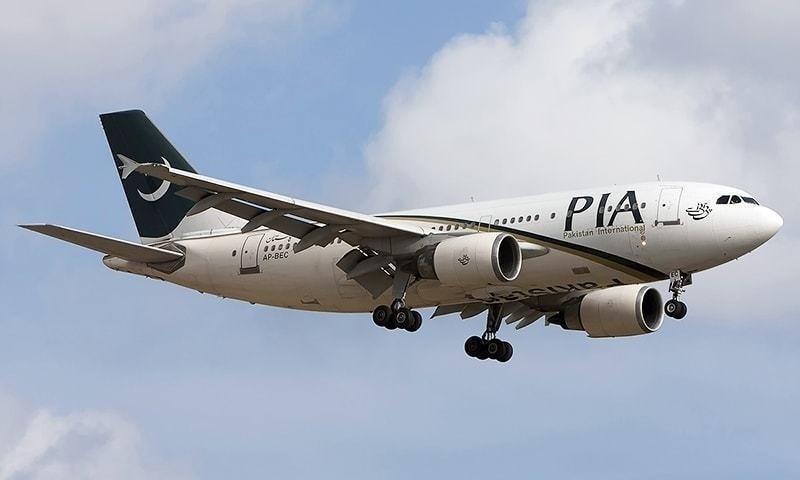
Have you ever wondered how much aviation contributes to a country’s economy? I certainly have. It turns out that aviation is far more than just a way to travel it is a powerful engine of economic growth. Countries such as the UAE, Qatar, Singapore, and Türkiye have transformed themselves into global aviation leaders by building world-class airports and airlines that connect people, businesses, and markets across continents. Pakistan, too, has enormous potential. Strategically located between Asia, the Middle East, and Europe, the country is well positioned to become an important regional aviation hub. With a population of over 240 million people and a large Pakistani diaspora spread across the world, the demand for air travel continues to grow. According to the International Air Transport Association (IATA), aviation plays a vital role in creating jobs, increasing productivity, supporting trade, and boosting economic development. Yet despite these advantages, Pakistan’s aviation sector has not kept pace with many of its regional competitors. In this blog, I explore whether Pakistan can become South Asia’s next aviation hub and what it must do to turn that vision into reality.
Aviation and Economic Growth
A strong aviation industry benefits much more than just airlines. It strengthens trade, supports tourism, creates employment, and encourages foreign investment. This is particularly important for Pakistan, where agriculture remains one of the country’s largest economic sectors. An efficient air cargo network can help farmers and exporters transport fresh produce quickly, reducing spoilage and improving export earnings. At the same time, better air connectivity can unlock Pakistan’s tourism potential. From the breathtaking mountains of Gilgit-Baltistan to the historical landmarks of Punjab, Sindh, and Khyber Pakhtunkhwa, Pakistan offers attractions that can compete with many popular tourist destinations around the world. With modern airports, improved international connectivity, and effective destination marketing, the country could attract significantly more international visitors and investors. In short, investing in aviation is not just about improving transport it’s about creating new opportunities for economic growth.
Status Quo
Despite its strong potential, Pakistan’s aviation sector has grown at a relatively modest pace. During 2024–25, Pakistani airports handled approximately 24.3 million passengers, up from 12.8 million in 2006–07. While this reflects steady progress, it remains far behind the growth achieved by regional aviation hubs. Major airports such as Karachi (KHI), Lahore (LHE), Islamabad (ISB), and Peshawar (PEW) typically handle between 65 and 150 flights each day. In comparison, Dubai International Airport (DXB) alone manages around 1,200 daily flights, highlighting the significant gap in infrastructure, connectivity, and operational capacity. The comparison between Lahore Airport and Dubai International Airport clearly illustrates this difference. That said, there are reasons to be optimistic. The opening of the New Gwadar International Airport under the China-Pakistan Economic Corridor (CPEC) provides Pakistan with a valuable opportunity to strengthen regional connectivity and expand its role in international trade and aviation.
Why Pakistan Is Falling Behind
Several challenges continue to hold Pakistan’s aviation sector back. One of the biggest is the financial condition of Pakistan International Airlines (PIA). Rising fuel prices and ongoing geopolitical tensions in the Middle East have increased operating costs, making air travel less affordable for many Pakistanis. Although PIA reported its first annual profit in more than two decades in 2024 after extensive restructuring, much of that improvement resulted from government support rather than operational efficiency alone. At the same time, competing aviation hubs such as Dubai, Doha, and Istanbul continue to attract millions of international transit passengers through modern airports, competitive airlines, and long-term planning. Pakistan also faces political uncertainty, inconsistent policies, regulatory challenges, and limited private investment, all of which reduce investor confidence and discourage international airlines from expanding their operations in the country. Unless these structural issues are addressed, Pakistan will continue to struggle in competing with the region’s leading aviation economies.
The Way Forward
While the challenges are significant, they are far from impossible to overcome. Pakistan’s aviation sector needs a clear long-term strategy backed by consistent government support and private investment. Following PIA’s privatization, continued reforms and successful rebranding will be essential to rebuilding public trust and strengthening its international reputation. Expanding international routes, improving customer service, and maintaining operational efficiency should remain key priorities. At the same time, major airports across the country require modernization through expanded terminals, better passenger facilities, advanced technology, and greater investment in skilled aviation professionals, including engineers, air traffic controllers, and maintenance specialists. Pakistan should also focus on creating memorable passenger experiences that distinguish its airports from regional competitors. Equally important is making domestic air travel more affordable and accessible, as many Pakistanis still view flying as a luxury rather than a practical mode of transportation. Encouraging domestic travel through competitive pricing and public awareness campaigns would strengthen the entire aviation ecosystem. Pakistan already has many of the ingredients needed to become South Asia’s next aviation hub its strategic location, growing population, untapped tourism potential, and expanding infrastructure. With the right policies, sustained investment, and a long-term vision, the country has every opportunity to transform its aviation sector into a major driver of economic growth and regional connectivity.