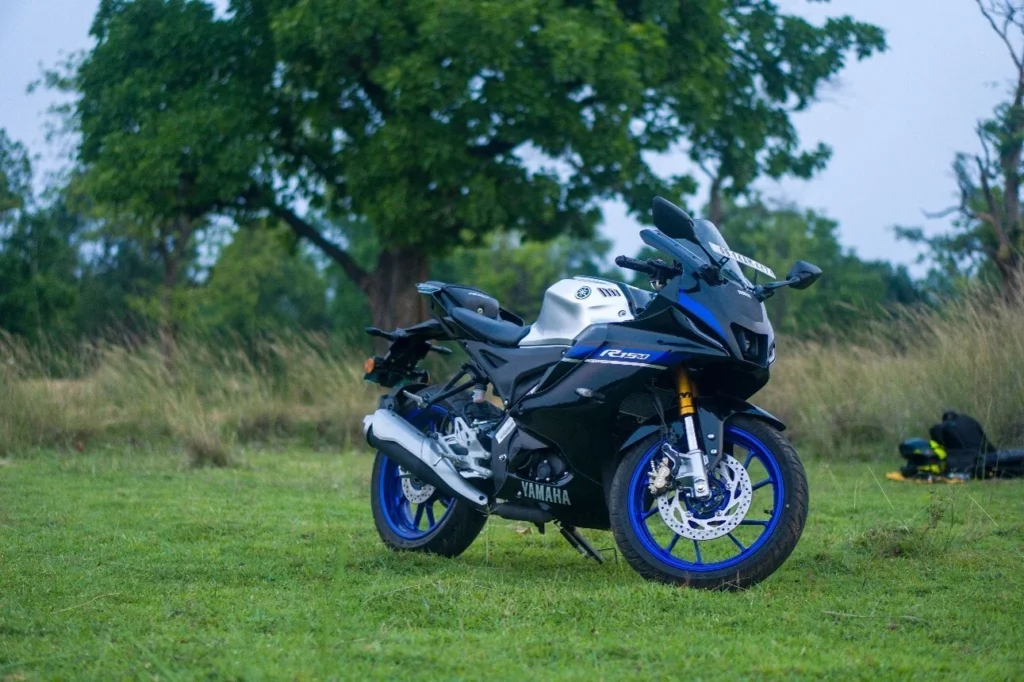
The exit of Yamaha presents an opportunity for Atlas Honda, but the bigger opportunity lies in understanding how consumers in Pakistan are redefining value. Yamaha’s withdrawal from Pakistan’s motorcycle market is not simply the departure of a well-known brand; it reflects the changing dynamics of a fiercely competitive industry. Atlas Honda may now be in an even stronger position following Yamaha’s decision to cease motorcycle manufacturing in Pakistan in September 2025. However, the question is no longer simply who will sell the most petrol motorcycles. The more important question is whether the market is moving towards a new definition of value; one shaped by fuel costs, electric mobility, and total cost of ownership. For millions of Pakistanis, a motorcycle is a necessity for daily transportation, work, education, and income generation. Therefore, affordability extends well beyond the showroom price. The actual cost of owning a motorcycle depends on several factors, including fuel efficiency, maintenance costs, availability of spare parts, resale value, and access to reliable after-sales service.
Atlas Honda’s Strong Starting Position
Atlas Honda is entering this next phase from a position of considerable strength. According to data available for the original analysis and disclosures made to the Pakistan Stock Exchange, the company’s FY2026 sales are estimated at Rs. 273.93 billion, while its profit after tax is estimated at Rs. 21.12 billion. Motorcycle sales are estimated at approximately 1.6 million units, representing a significant scale of operations. The company has several advantages that are difficult for smaller and more niche competitors to match, including substantial production capacity, a strong local supplier network, a nationwide dealer network, extensive service coverage, and a well-established customer base. However, scale can also become a challenge if a company assumes that business will continue as usual.
Yamaha’s departure does not mean competition will disappear. According to data reported by the Associated Press of Pakistan, Honda sold 1,278,424 motorcycles, compared with 5,709 Yamaha motorcycles, during FY2024–25. Some Yamaha customers may shift to Honda, while others may continue using their existing motorcycles or consider Suzuki, lower-priced alternatives, or emerging electric motorcycles. Therefore, the opportunity is not simply about capturing Yamaha’s former customers; it is about understanding what the next generation of customers will value most.
The Shift Towards Electric Mobility
This question becomes even more important as Pakistan’s two-wheeler market gradually moves towards electric mobility. Reuters reported in April 2026, citing dealers, that demand for electric two-wheelers in Pakistan was gradually increasing, with some dealers reporting a rise of around 70%. Estimates suggested that approximately 90,000 electric two-wheelers were sold during the year, representing around 5% of total two-wheeler sales. Government policies and national targets could further support this transition, including plans to achieve 30% electric-vehicle penetration by 2030.
However, electric motorcycles are not automatically less expensive for every rider. Consumers need to consider the complete cost of ownership, including the initial purchase price, battery replacement, charging availability, warranty coverage, resale value, servicing, and charging time. For daily commuters, delivery riders, and long-distance users, reliability and convenience may be just as important as fuel efficiency. The transition to electric mobility therefore requires manufacturers to understand not only the technology but also the practical needs and financial considerations of different categories of motorcycle users.
What Atlas Honda Should Do Next
The strategic opportunity for Atlas Honda is not simply to respond defensively to Yamaha’s exit. Instead, the company can use its scale, geographic reach, and established customer base to help shape the next generation of mobility while protecting the strengths that have built its market position. Several priorities could support this transition:
- Compare petrol and electric motorcycles across different usage patterns and calculate their total cost of ownership.
- Prepare dealers and service teams to address customer questions about batteries, charging, warranties, maintenance, and financing.
- Evaluate margins, warranty costs, customer retention, and repeat demand before committing to a large-scale electric motorcycle rollout.
- Explore the feasibility of a nationwide charging network through dealerships, including battery-swapping facilities where commercially viable.
- Strengthen the overall customer experience through reliable after-sales service, spare-parts availability, financing options, and resale support.
These steps would allow Atlas Honda to assess the changing market gradually while making effective use of its existing infrastructure and customer relationships. The real competition may not be limited to the motorcycle itself. Increasingly, it may be the entire business ecosystem surrounding the product: manufacturing scale, local suppliers, dealer coverage, service facilities, spare-parts availability, financing, and consumer trust.
Yamaha’s departure gives Atlas Honda an opportunity to strengthen its market position, including in higher-value segments, but it also creates new expectations from consumers. If buyers increasingly evaluate motorcycles based on total cost of ownership rather than the initial purchase price alone, companies will need to compete on affordability, reliability, convenience, and confidence. Pakistan’s motorcycle market is entering a new phase, and Atlas Honda’s challenge is therefore not simply whether it can sell more motorcycles. The larger question is whether it can use its existing scale, market presence, and customer trust to remain relevant as the future of mobility evolves.